
When it comes to recognizing donors, the display used to showcase their contributions isn’t just a backdrop—it’s an essential part of the message we send about our values and mission. Choosing between acrylic and metal donor displays can feel like a daunting decision, especially when evaluating factors such as aesthetics, durability, and cost. As someone who has navigated these waters before, I understand how important it is to balance your budget with the desire for a long-lasting tribute that resonates with supporters. Let’s dive into the pros and cons of each material option to help you make an informed choice that reflects your organization’s identity while effectively honoring its generous contributors.
Acrylic donor displays are lightweight, cost-effective, and highly customizable, making them ideal for organizations with limited budgets; however, they may be less durable than metal options. On the other hand, metal displays offer a prestigious appearance and long-lasting durability, appealing to major donors seeking permanence, though they often come at a higher cost that may deter smaller organizations.
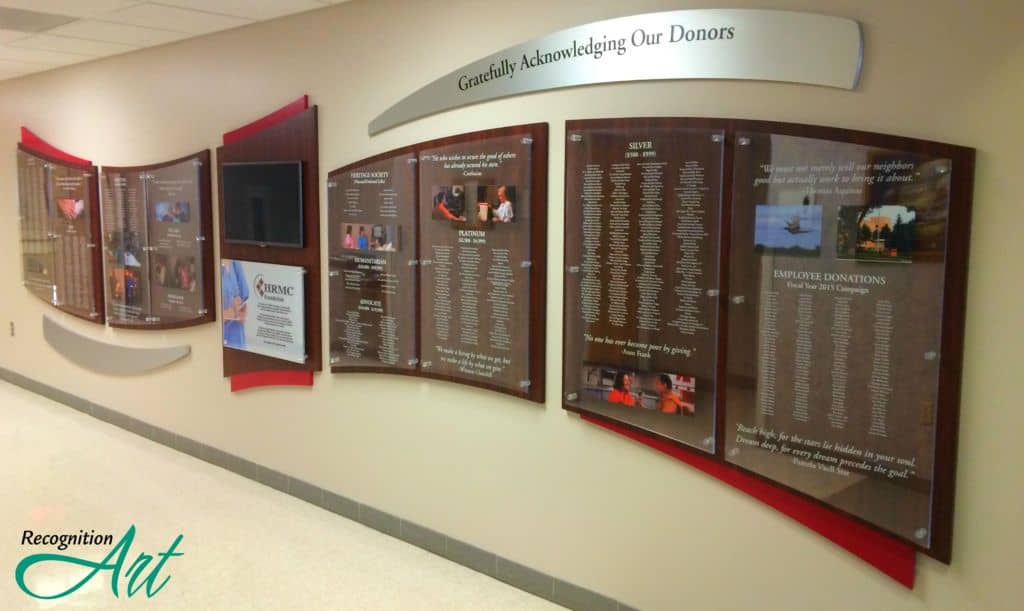
Comparing Acrylic and Metal Donor Displays
When considering donor displays, one of the first aspects to examine is the material composition. Acrylic displays, crafted from PMMA (Polymethyl Methacrylate), boast remarkable glass-like clarity and are less brittle than actual glass, making them a safe choice for many environments. This versatility allows for coloring, frosting, or leaving them transparent, providing a variety of design aesthetics that can easily complement an organization’s branding. In contrast, metal displays commonly utilize materials like aluminum, brass, or stainless steel. While the inherent shine of metal provides a classic and sophisticated appearance, it tends to lack the adaptability in visual effect that acrylic offers. The choice between these materials often hinges on the desired look, feel, and overall message we want our donor display to convey.
Another significant consideration lies in the weight and installation differences. For instance, acrylic is remarkably lightweight—this characteristic proves advantageous when tackling large wall installations or securing displays where wall strength might be questionable. The ease with which acrylic can be handled translates to lower installation costs and minimal labor requirements. On the other hand, metal displays carry more weight, which speaks to their robust construction but raises potential challenges during installation. The labor involved in mounting heavier metal pieces could add additional expenses.
The cost dynamics associated with these materials further impact decision-making. Generally speaking, acrylic displays are budget-friendly options ranging from $50 to $200. Their affordability makes them appealing for nonprofits eager to allocate funds wisely without sacrificing quality. Comparatively, metal displays can vary significantly in price—often falling within the range of $100 to $500. Organizations must weigh these initial costs against the long-term benefits each material offers.
Understanding the inherent characteristics of both acrylic and metal allows for better assessment of which option aligns with unique organizational needs.
Durability and Maintenance
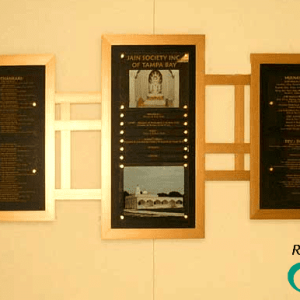
From a durability standpoint, metal displays typically outlast acrylic ones by several years. With lifespans ranging from 10-20 years versus acrylic’s 5-10 years under similar conditions, the higher upfront investment for metal may justify itself over time when considering longevity. However, this durability comes at a price; while metal requires occasional polishing to maintain its luster, acrylic demands regular cleaning with non-abrasive materials to avoid scratches or marring—this maintenance aspect shouldn’t be overlooked when making a choice.
Beyond mere durability lies another critical factor: aesthetic appeal.
Aesthetic Appeal
Acrylic’s modern sleekness offers alluring colors and finishes, allowing for a contemporary look that resonates well with younger donors or tech-savvy audiences. Meanwhile, metal exudes stability and prestige that appeals particularly to major contributors seeking legacy opportunities through recognition displays. Each material’s visual language communicates different sentiments about the organization’s values—reflecting either innovation or tradition—and selecting the one that aligns most closely with brand identity is crucial.
By evaluating all these factors collectively—material composition, weight, cost dynamics, durability, and aesthetic appeal—we equip ourselves with a comprehensive understanding essential for making an informed decision about which display type will best serve our needs and help effectively recognize our generous contributors.
Transitioning now to explore how each material captures attention through its visual characteristics can further influence your final choice.
Aesthetic Appeal: Acrylic vs. Metal
When we think about aesthetics in our chosen donor displays, personal preference plays a pivotal role in the decision-making process. Acrylic shines with its versatility, allowing for the creation of various shapes, sizes, and even three-dimensional designs. Its lightweight nature means that intricate layouts can be installed easily, turning the ordinary into something visually stunning.
Imagine a vibrant acrylic display featuring playful designs in a children’s hospital, engaging young minds and transforming sterile environments into warm and welcoming spaces that resonate positivity.

Visual Elegance of Metal Displays
On the other hand, metal displays convey a sense of prestige and timelessness. The shiny, reflective surfaces of metals such as brass or polished stainless steel exude elegance and professionalism—qualities highly sought after in corporate settings or significant landmarks.
For instance, when one walks into a high-end corporate office and sees gleaming metal recognition walls adorned with names of esteemed contributors, it immediately communicates trust and credibility. Organizations often select specific materials to project their values: high-tech brushed aluminum for corporations, classic bronze for universities emphasizing tradition, or unique hammered steel catching light in art museums.
In our experience, these choices extend beyond mere aesthetics; they become symbols representing the organization’s mission, vision and values.
While metal may evoke a grand sense of history and reliability, the adaptability of acrylic opens an entire realm of design possibilities, appealing to modern sensibilities while still honoring tradition. This exploration leads us to consider how customization can enhance visibility in donor recognition displays.
Customization and Visibility
Customization is not just an aesthetic choice; it speaks volumes about our organization’s identity. The way we present our donors can reflect our mission and the values we uphold. Acrylic displays shine in this area, boasting unparalleled design flexibility. Their ability to be easily shaped, dyed, or engraved makes them a popular choice for creating unique donor recognition systems.
For instance, we might choose vibrant colors that resonate with our brand or personalize shapes that represent our cause—imagine a display resembling a book for a library foundation or heart-shaped designs for a health charity. This level of customization makes acrylic displays particularly engaging for those visiting our space.
However, while customization is vital, visibility remains equally crucial in ensuring that our displays are effective and impactful.
Design Flexibility
Metals, while less flexible in terms of shape and color options, also hold their own. Traditional metal displays lend a degree of elegance and formality—a polished brass plaque may impart an air of permanence that acrylic simply can’t match. Brands typically have limited finishes available, such as brushed or polished surfaces, but that doesn’t diminish their potential impact. Instead, these classic looks can elevate how our donors feel recognized, signaling to high-profile supporters that their contributions are valued deeply.
Visibility is another pivotal factor in the decision-making process. Acrylic shines with its ability to offer engaging visual experiences; however, it does come with some caveats. Under harsh lighting conditions like direct sunlight or bright indoor settings, acrylic can suffer from glare, potentially obscuring the names and messages we wish to communicate. Over time, it can even cloud—an unfortunate side effect that might distract from the beautiful recognition we’ve crafted.
In contrast, metal displays tend to perform admirably under various lighting situations. Their matte finishes enhance readability by lessening glare while still offering a subtle sheen that catches the eye without overshadowing the message itself. This can be especially important in settings where lighting is unpredictable or frequently changing—think art galleries or auditoriums where spotlights play tricks on visibility.
Considering these factors provides a solid foundation for determining which materials best serve our goals and intentions. Next, we will closely examine durability alongside their environmental impact.
Durability and Environmental Impact
Durability is a crucial aspect when deciding on materials for donor displays. Metal displays significantly outperform their acrylic counterparts. Materials like bronze, aluminum, and stainless steel are inherently robust. They resist warping and scratching while also standing up to harsh weather conditions, making them ideal for outdoor installations. For example, outdoor memorials in parks truly shine with the strength and longevity of a metal display as they face rain, snow, and intense sunshine without losing their appeal or structural integrity.
While metals provide an impressive level of durability, we cannot overlook the properties of acrylic in indoor settings.
Durability Comparison
Acrylic can be quite durable indoors, but its long-term performance may not be as reliable once subjected to UV light over time. It tends to yellow and can become brittle if exposed directly to sunlight regularly. To mitigate this drawback, we recommend using UV-resistant coatings on acrylic displays whenever possible. This added layer provides protection against fading and gives the piece greater longevity in environments where sunlight is unavoidable.
With durability established, let’s shift our focus to the environmental considerations regarding these materials.
Environmental Considerations
The environmental impact of our material choice is increasingly important today. According to the EPA, metals like aluminum can be recycled indefinitely without losing quality, which significantly minimizes their environmental footprint. This quality makes metal an excellent option for organizations aiming for sustainability in their displays. Moreover, recycling processes for metals are well established and widely accessible.
Acrylic does have the advantage of being recyclable as well; however, its recycling process is more complex and not as prevalent in many communities. This may deter organizations that prioritize eco-friendly practices from opting for acrylic. In practical terms, if an organization wishes to maintain positive environmental stewardship while recognizing contributors effectively, leaning towards metal displays could be a more conscientious decision.
Navigating these factors will guide organizations toward choosing the most suitable material for their donor displays while considering both durability and environmental sustainability. This understanding will set the stage for a deeper exploration of financial implications linked to these material choices.
Maintenance Expenses
Our maintenance options differ significantly depending on the type of material we choose. Acrylic requires ongoing upkeep to maintain its aesthetic appeal; over time, it may become susceptible to scratches or fading. We typically see maintenance costs for acrylic displays range from $20 to $50 annually. Conversely, metal displays, especially those made from corrosion-resistant alloys like stainless steel, generally require less care and can often be polished occasionally. Their maintenance costs usually fall between $30 and $100 annually, depending on how intricate the design is and where it’s installed.
This calls into question what kind of longevity we can anticipate from each option.
Lifespan is another crucial aspect. Acrylic displays typically last between 5 to 10 years, depending on environmental factors and general wear-and-tear. On the other hand, metal displays tend to have a longer lifespan—often reaching between 10 to 20 years, offering a chance for legacy recognition over time.
With these considerations in mind, it becomes vital to evaluate further details related to implementation strategies for these displays.
Installation Process and Suitability
The installation ease of display materials plays a significant role in our decision-making. Acrylic displays shine when it comes to convenience. Their lightweight nature means that we can install them quickly, often requiring only basic mounting hardware or adhesive. This flexibility is particularly advantageous for organizations located in older buildings that might not support heavy installations. Imagine a historical site where aesthetics and structural integrity must be preserved; acrylic displays are ideal in such scenarios, minimizing the risk of damage while still providing recognition to devoted donors.
Installation Ease
Reflecting on our experiences, we find that the installation of acrylic displays typically averages around 1 to 2 hours. This swift process allows us to see our honored donors recognized quickly without unnecessary hassle. We don’t have to deal with cumbersome brackets or anchors, which makes it easier for small teams or volunteers to handle. For those working within budget constraints or time-sensitive projects, this simplicity cannot be overstated.
Indeed, the quick setup can significantly reduce labor costs and installation challenges, making it a favored option for organizations looking for efficiency.
Suitability for Different Environments
On the other hand, metal displays bring their own set of advantages. While they can be more labor-intensive to install—often taking 2 to 4 hours due to their weight—they offer unmatched durability and strength. When contemplating high-traffic areas or outdoor placements, we need to consider that metal displays endure various environmental conditions with ease. A university campus is an excellent example; hosting both indoor and outdoor plaques would benefit from metal’s resilience against wear and tear over time.
Metal displays, while heavier and requiring more robust mounting solutions, provide a classic essence that many donors appreciate. As we think about locations where long-term investment is essential—like public institutions—a sturdy metal display often aligns perfectly with our goals of legacy recognition.
Thus, we should carefully evaluate the unique characteristics of each material concerning our specific environments and organizational needs, ensuring that we choose the display type that will best serve our purpose while also highlighting our commitment to recognizing donor contributions effectively.
For more information and personalized assistance, reach out to us at RecognitionArt or call us at 941-922-1272.