
In every corner of our lives, kindness seems to be a precious currency that builds connections and strengthens communities—especially in our churches. Have you ever thought about how a simple act of generosity could transform not just an individual but an entire congregation? From lending a helping hand to organizing community drives, these acts go beyond mere charity; they create a spirit of camaraderie and unity within the church walls. As we dive into the importance of recognizing generosity in our church communities, we’ll explore how fostering a culture of appreciation can lead to an even stronger bond among members, making kindness an integral part of our shared faith journey.
Churches can recognize generosity in their communities by implementing recognition programs that highlight individual contributions, celebrating acts of kindness during services, and creating opportunities for public acknowledgment, such as through donor walls or special events. Additionally, integrating teachings about the spiritual importance of generosity into church communications can foster a culture of appreciation and inspire further giving amongst congregants.
Building a Generous Church Community
To create a thriving and generous church community, church leaders must not only model generosity themselves but also actively cultivate an environment where acts of kindness are recognized and celebrated. When church leaders like Pastor Cindy engage openly in charitable acts—whether it’s donating time to local shelters or contributing financially to community initiatives—they set a powerful example that resonates throughout the congregation.
This visible commitment to giving encourages members to reflect on their own capacity for generosity, making it more than just a personal choice but a collective ethos within the church.
Step-by-Step Guidance on Building Generosity
Step I – Lead by Example
It’s essential for leaders to embody the principles they preach. When they donate time, money, or resources, they create tangible models for their congregants to emulate. Just as Pastor Cindy’s contributions inspire her community at St. Mark’s Church, each act of kindness can spark a ripple effect.
Consider holding social events focused on service projects where congregants can come together to lend their support; this not only reinforces unity but also shows how easy and impactful small acts can be. Generosity becomes a way of life rather than a set of occasional actions.
Step II – Educate and Inspire
Education is another pillar in promoting generosity within the church. By organizing workshops that explore biblical teachings about kindness—like the parable of the Good Samaritan—church members understand how deeply these values are woven into their faith. Presenting real-life examples alongside scriptural narratives inspires deeper reflection on individual actions and motivations.
Inviting guest speakers or organizing panel discussions can illuminate different aspects of generosity and its transformative power in both personal and communal contexts.
Step III – Acknowledge Contributions Publicly
Recognizing sincere efforts publicly can significantly enhance participation from other members. Highlighting acts of generosity during services or community gatherings increases visibility for those efforts, encouraging others to join in. When James was acknowledged for organizing a clothing drive, it honored his hard work while illustrating what is possible when individuals take initiative.
Creating platforms—like monthly newsletters or bulletin highlights—dedicated to showcasing these contributions allows everyone to feel valued and respected within the community.
By implementing these strategies thoughtfully, churches can develop an enduring culture of generosity. However, recognizing these acts remains crucial for reinforcing positive behaviors.
As we further explore the importance of appreciation within our congregations, understanding how recognition shapes individual contributions will shed light on building a stronger, united community.

Recognizing Generosity in Church Members
Public recognition during service is a powerful way to cultivate an atmosphere of generosity. This could be as simple as announcing a member’s contribution or achievement, whether it be a donation of time, resources, or support to fellow congregants.
For instance, when someone volunteers to organize community events or helps others in need, honoring them from the pulpit uplifts that individual and inspires others to participate altruistically.
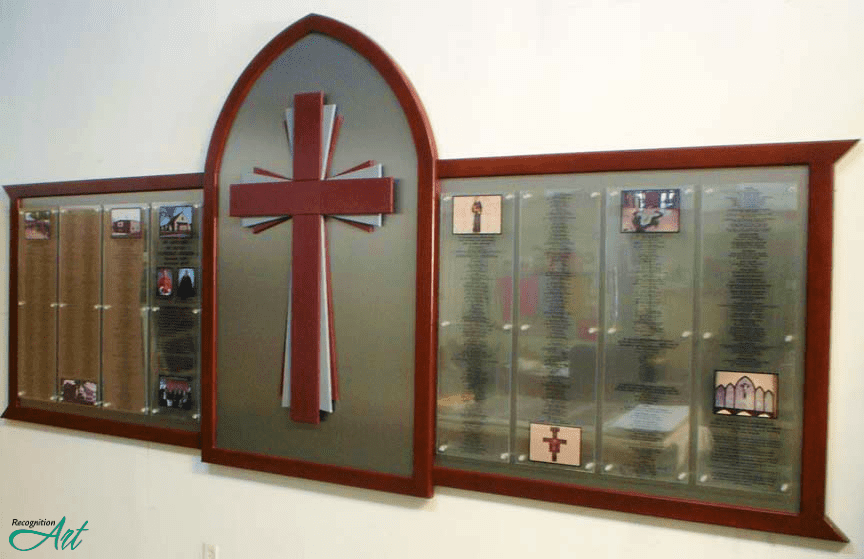
Many churches have taken this recognition a step further by creating dedicated spaces like a “Wall of Generosity.” Each small plaque represents specific acts of kindness, serving as a visual reminder of the difference generosity makes within the church community. When congregants pass by this wall, they are encouraged daily to consider what contributions they can make, fostering a culture that values every act of kindness, big or small.
Recognizing various kinds of generous actions—from bringing food for potluck dinners to lending a helping hand with repairs—creates an inclusive environment where everyone feels empowered to contribute.
In fact, 75% of church members believe that recognizing acts of kindness encourages others to engage in similar behavior. Moreover, 60% of congregations report having formal recognition programs in place. These initiatives illustrate how important it is not just to acknowledge generosity but to actively promote it within the church fabric.
Furthermore, understanding what constitutes generosity deepens our appreciation for the individual efforts that often go unnoticed.
The Variety of Acts Considered Generous
It’s valuable to realize that acts of generosity aren’t limited to large donations; they encompass everyday kind gestures too. These can have just as significant an impact on community well-being. Acts like welcoming newcomers with open arms, offering rides to those without transportation, or praying with someone in distress may seem ordinary but resonate deeply within communal life.
Moreover, when we broaden our definition of generosity, we create room for diverse contributions that reflect the various backgrounds and talents present in our congregation. A member skilled in carpentry might offer to repair something in the church; another who loves baking could create delicious treats for fellowship gatherings.
When we celebrate these varied actions, we affirm everyone’s unique abilities and encourage active participation across age groups and backgrounds.
By fostering practices that acknowledge all forms of generosity—whether it’s through words spoken on a Sunday morning or visual displays celebrating good deeds—we contribute towards building a close-knit church community. As individuals feel their efforts are appreciated, the cycle of giving continues, ultimately enriching everyone involved.
For this recognition system to thrive effectively, it requires intentionality from leadership and involvement from the entire congregation. Let’s now explore the different ways that generosity manifests itself within our community and how we can identify these acts more readily.
Acts of Generosity to Look For
Generosity manifests in various ways within the church, and it’s essential to recognize these diverse acts. One obvious form includes monetary donations. While large gifts often attract more attention—such as Mr. Thompson’s generous donation for new hymnals—it’s crucial to acknowledge the consistent small contributions that build up over time. Take Mrs. Adams, who has been tithing 10% of her income each month for years; her steadfast commitment reflects deep faith and dedication that supports church operations and initiatives.
However, it’s not just about money.
Another significant component of generosity is the volunteering of time. Time is arguably our most precious resource, and when individuals dedicate it selflessly to church activities, they contribute profoundly to the community’s spirit. Whether it’s helping with Sunday school, assisting in organizing community events, or participating in routine maintenance like cleaning the sanctuary, these acts resonate deeply. Imagine someone like Sarah, who spends every Saturday morning setting up for the weekly service; these contributions may go unnoticed amidst bigger donations but are just as vital.
And let’s not forget about skills—a valuable resource in any community.
Sharing one’s skills is another powerful expression of generosity. When people offer their professional abilities for free or at reduced costs, they strengthen the foundation of their church community. Consider John, a talented carpenter who has repaired pews and crafted bookshelves for the church without expecting anything in return over the last decade. This demonstration of generosity reflects a deep-rooted sense of belonging and care for the space where many come together to nurture their faith.
Recognizing these various acts of kindness sets the tone for an inclusive community culture.
Encouraging members to acknowledge one another’s generous actions fosters appreciation while cultivating an environment where generosity thrives. When church leaders highlight these contributions—whether monetary or skill-based—they help solidify a support network grounded in recognition and gratitude. It is through the intentional acknowledgment and celebration of all forms of giving that a vibrant, connected community emerges—one that aligns with biblical teachings on kindness and unity.
As we consider how to acknowledge these generous deeds fully, it’s essential to explore methods of expressing heartfelt thanks and gratitude toward those who give so freely.
Expressing Gratitude for Generous Deeds
Expressing gratitude is not merely a polite formality; it is a powerful tool that reinforces positive behaviors and nurtures relationships within the church. When we openly acknowledge acts of kindness, we validate those contributions and motivate others to follow suit. It creates a ripple effect of generosity that echoes throughout the congregation. Imagine being part of a community where every generous act is celebrated and valued. That makes members feel included, respected, and more likely to engage actively.
Handwritten thank-you notes can have a profound impact. For instance, receiving a simple note from the pastor thanking an individual for their invaluable help during an event can dramatically enhance their sense of belonging. It’s those small gestures that often convey warmth and sincerity, making individuals feel recognized and appreciated.
There are various effective methods through which gratitude can be expressed. One powerful approach is public acknowledgment. When someone contributes significantly—whether through volunteering time or donating resources—it can be immensely rewarding for them to hear their name mentioned during a service. This not only uplifts the individual but also inspires the congregation as they witness generosity in action. A supportive community thrives on shared recognition and appreciation.
Recognizing Acts of Kindness
- Public Acknowledgment: Celebrate individuals during church services so everyone can share in the moment.
- Written Notes: Personal letters from church leaders convey heartfelt thanks that resonate with volunteers.
- Special Events: Host a ‘Volunteers Appreciation Day’—an occasion dedicated to recognizing those who generously give their time and effort.
Having explored various ways to express gratitude effectively, we now turn our attention to how we can cultivate ongoing kindness, ensuring these values thrive within the community.
Fostering a Culture of Kindness
The cornerstone of a thriving church community lies in fostering a culture of kindness. This goes beyond occasional good deeds; it is about embedding generosity into the very fabric of church life. Establishing activities that encourage kindness is not only about celebrating generosity but also about creating habits that can enrich relationships and enhance community spirit.
| Activity | Frequency | Purpose |
| Weekly Service Shoutouts | Weekly | To acknowledge recent acts of kindness |
| Monthly Meet-ups | Monthly | To plan church activities that promote generosity |
| Annual Recognition Event | Annually | To celebrate all forms of generosity throughout the year |
Each Sunday, the warmth of gratitude fills the air during weekly service shoutouts. These moments allow everyone to express appreciation for the little, yet significant, acts of kindness displayed throughout the week—be it helping a neighbor, coordinating a meal delivery for someone in need, or offering words of encouragement. Stories shared reflect how those small gestures ripple outward, creating waves of goodwill within the congregation.
In addition to weekly recognition, monthly gather-and-plan meet-ups provide another platform for members to discuss future community service projects. During these sessions, brainstorming encourages creativity where individuals can suggest new ideas on how to lend support. Perhaps one month it’s organizing a clothing drive, while the next it’s about setting up workshops on financial literacy for young families. Facilitating such discussions nurtures a collaborative environment where everyone feels empowered to contribute their ideas.
As this culture of kindness grows stronger, it becomes easier for members of the congregation to naturally adopt generous behaviors in their daily lives. When people witness each other being recognized for their contributions, it cultivates an atmosphere where initiatives thrive and inspire others—this elevates the overall community spirit.
While established activities play a crucial role in fostering kindness, exploring specific instances of generous acts reveals the profound impact they have on the community.
Stories of Impactful Generosity
Real-life stories have an extraordinary ability to motivate us and stir our hearts toward generosity.
One such story that stands out is that of Sarah from Heartland Church. Sarah, a devoted member of her congregation, made the life-altering decision to donate a kidney to a fellow church member in dire need. This profound act of kindness did more than just save a life; it ignited a fire within the community. Inspired by Sarah’s selflessness, dozens of church members stepped forward to explore organ donation, showcasing that generosity can lead to compounding waves of change.
Similarly, Redemption Church witnessed an inspiring testament to collective generosity when a group of its members came together to pay off the mortgage of a family struggling in hard times. This act wasn’t merely a financial transaction; it was a lifeline offered during a season of despair. Highlighted during a Sunday service, this story resonated deeply within the congregation, stirring emotions and prompting an impressive spike in donations from other members. It showed everyone that when people rally behind one another, they can accomplish great things.
These narratives illuminate the tangible impact of generous acts and illustrate how they ripple throughout communities.
Yet, in addition to celebrating these acts, we must also consider the importance of recognizing them properly so that their significance resonates with both givers and recipients.
Recognizing generous acts fosters a culture of giving within the church community. Implementing simple methods for visibility can make the difference between an acknowledgment felt deeply or one that fades into oblivion. Custom donor displays, for instance, provide visual recognition that honors those who give selflessly while inspiring others to follow suit. By spotlighting these stories in creative and meaningful ways, churches can amplify the message that every act of kindness counts and encourage ongoing generosity.
Let’s cultivate a spirit where stories like Sarah’s or the mortgage payers at Redemption Church are shared widely and celebrated. Each story has the potential to inspire someone else—even if it’s just one small act. If you’re looking for effective ways to showcase your community’s acts of kindness and generosity, consider exploring custom donor displays at RecognitionArt. Elevating your recognition efforts not only honors those who give but also motivates others to take part in this cycle of love and support. Contact us or call us at 941-922-1272.