

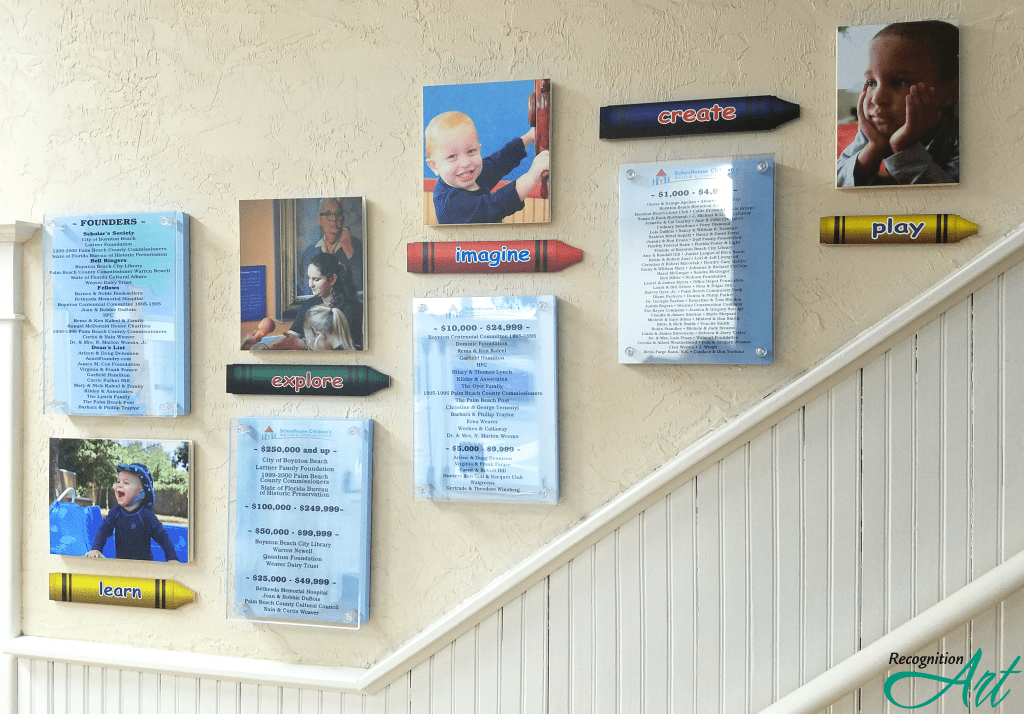
When museums rely on donors to fund exhibits, showcasing gratitude becomes just as important as preserving history. Acrylic displays have quietly become a top choice for these spaces—not only because they protect valuable artifacts but also because they stylishly highlight donor contributions in ways that feel both modern and meaningful. In this article, we’ll explore how acrylic’s clear, durable qualities make it perfect for museums and galleries looking to honor supporters while keeping exhibits safe and captivating.
Acrylic displays elevate donor-funded museum exhibits by offering unparalleled clarity, durability, and customization that highlight donors’ contributions with elegance. Their sleek, modern appearance enhances artifact visibility while providing protective features such as UV resistance and impact resistance, ensuring a lasting tribute that fosters donor appreciation and encourages continued support.
Enhancing Museum Exhibits with Acrylic Displays
When curators design exhibits, they need materials that showcase artifacts with crystal-clear visibility while ensuring their long-term protection. Acrylic fits this role perfectly. With light transmission around 92%, it rivals traditional glass but weighs significantly less—about half as much—which makes installation easier and reduces the risk associated with heavy fixtures. This means delicate fossils or treasured sculptures can be encased in a way that feels almost invisible to visitors, allowing the art or artifact to take center stage.
Beyond its transparency, acrylic offers substantial protective qualities crucial for preserving valuable items. Its impact resistance exceeds glass by 10 to 24 times, which dramatically lowers the chance of accidental breakage in bustling museum environments. This feature becomes even more important in spaces frequented by children or crowded events where security and safety are top priorities. Additionally, specialized acrylic sheets filter out up to 99% of damaging ultraviolet rays, protecting sensitive textiles, manuscripts, and pigments from fading over time—a silent guardian preserving history for future generations.
Another remarkable advantage is acrylic’s versatility in fabrication. Museums can request custom dimensions with precise tolerances down to ±0.5 millimeters. This precision allows for seamless integration of display cases and pedestals tailored exactly to the shape and size of artifacts. For instance, a rare sculpture needing a 360-degree viewing experience can be enclosed in distortion-free acrylic boxes designed specifically for that purpose. Meanwhile, multi-material pedestals combining wood and acrylic provide an aesthetically balanced contrast—mixing warmth with modern minimalism—that complements diverse exhibit themes.
From a visitor’s perspective, acrylic surfaces treated with anti-reflective or non-glare coatings reduce light reflection by up to 70%, making viewing easier under bright gallery lighting. This small but significant detail enhances the overall sensory experience, letting guests absorb the exhibit without distraction or eye strain.
| Feature | Benefit | Impact on Exhibit Experience |
| High light transmittance (92%) | Clear, undistorted artifact visibility | Visitors see objects as intended |
| Lightweight (50% less than glass) | Easier installation & handling | Faster setup; safer environments |
| Impact resistance (10-24x glass) | Enhanced safety & durability | Protection against breakage or accidents |
| UV ray blocking (up to 99%) | Artifact preservation | Prolongs the life of sensitive materials |
| Custom fabrication (±0.5 mm) | Tailored display solutions | Perfect fit for unique artifacts |
| Anti-reflective coatings | Reduced glare | Comfortable viewing under gallery lighting |
When planning or upgrading an exhibit, consider how acrylic’s combination of clarity, protection, and design flexibility can maximize both artifact preservation and visitor engagement. Simple choices like opting for non-glare finishes or UV protective sheets might seem minor, but yield big dividends in protecting collections and enhancing visual appeal over the years of exhibition.
The synergy between aesthetics and practicality is why museums around the world favor acrylic displays—not simply for their looks but because they solve multiple challenges at once: safeguarding priceless treasures while inviting visitors into an intimate viewing experience unhampered by distracting reflections or fragile materials.
Having explored these practical benefits, attention now turns to how acrylic donor recognition displays contribute uniquely by honoring supporters while integrating seamlessly into the storytelling fabric of museum spaces.
The Acrylic Advantage: Transparency and Durability
Acrylic’s exceptional clarity surpasses traditional glass, allowing museum visitors to experience exhibits with remarkable sharpness and true-to-life color. With a light transmission of about 92%, it captures and conveys every detail vividly, creating an immersive viewing experience.
This high clarity means that names on donor walls or intricate details in artifact displays won’t be dulled or distorted by glare or unwanted reflections, something that can happen with standard glass at around 90% light transmission.
But acrylic isn’t just about looking good; it’s engineered to endure. Being roughly 17 times more impact-resistant than glass gives it the resilience museums rely on daily. These environments see constant foot traffic, accidental bumps, or even small knocks during installation and cleaning—conditions where fragile glass falls short.
This durability doesn’t just protect the exhibits; it also safeguards the investment museums and galleries make to honor their donors through displays that remain pristine for years.
UV Protection
Another critical attribute that museum institutions and galleries value is acrylic’s ability to shield precious artifacts from damaging ultraviolet rays. When treated with UV protective coatings, acrylic sheets block harmful sunlight that causes fading or deterioration over time.
Rare manuscripts, delicate textiles, or historic photographs benefit from this defense, preserving their vibrancy for future generations while putting their stories on display today.
This feature proves especially important in donor recognition settings where longevity matters most: preserving the engraved names of supporters just as carefully as guarding priceless artworks behind those same clear panels.
Incorporating UV-resistant acrylic ensures that donor acknowledgments remain bright and legible, standing the test of time alongside the institution’s mission.
Lightweight for Easy Handling
Traditionally, large display cases or donor walls made from heavier materials require careful logistical planning for installation—often needing multiple people or specialized equipment.
Acrylic’s relatively low density makes it much lighter, approximately half the weight of glass for the same thickness. This not only simplifies transportation but also reduces labor costs during installation or when rearranging exhibits.
For museums updating exhibits frequently or hosting temporary installations, this mobility transforms operational efficiency. Staff can effortlessly reposition custom-cut acrylic displays without risking damage or excessive strain—an often overlooked advantage that significantly lowers ongoing expenses.
“Acrylic delivers unparalleled clarity combined with strength and practicality—a trifecta essential to modern museum design,” notes a curator who has relied on RecognitionArt acrylic solutions for numerous donor displays across prestigious venues.
These physical qualities alone explain why acrylic is favored by so many institutions; yet acrylic’s adaptability goes even further by enabling bespoke creative features perfectly suited for honoring donor generosity with elegance and impact.
Building on this foundation opens new pathways for engaging visitors and supporters alike, setting the stage for innovative fundraising methods that combine interaction with appreciation.
Fundraising Through Interactive Exhibits
Donor funding remains the lifeblood for museums and galleries, yet securing ongoing support calls for innovative approaches that resonate with today’s audiences. Acrylic displays equipped with interactive elements—such as touchscreens or embedded multimedia—offer a compelling platform to showcase donor appreciation while simultaneously drawing visitors deeper into the exhibit experience.
Imagine stepping up to a sleek acrylic case that houses not only revered artifacts but also a vivid narrative told through video montages or interactive timelines featuring donor names and stories. This kind of immersive storytelling captures attention far more effectively than static plaques ever could.
The power of interactivity lies in its ability to invite participation rather than mere observation. When visitors engage directly with display content, their time spent within the exhibit increases substantially—and with more engagement comes a stronger emotional connection.
This emotional bond translates into meaningful donor recognition. Names and logos aren’t just arranged on a wall—they become part of an engaging experience where visitors can learn about who made those exhibits possible and why their support matters. This deepens visitors’ understanding of museum missions and encourages them to see their own potential role as contributors.
According to recent studies, museums incorporating interactive acrylic displays report visitor engagement increases ranging from 30% to 50%. More tellingly, donor contributions rise by an average of 25% when exhibits feature such interactive acknowledgments, demonstrating that thoughtful design can significantly impact fundraising outcomes.
To maximize this effect, it’s essential that interactive acrylic installations balance functionality with aesthetic appeal. Clear acrylic provides the ideal medium—it protects fragile components while offering almost invisible framing to preserve artifact visibility and create a seamless user experience.
Customization options allow institutions to tailor formats perfectly to fit spatial constraints and branding goals, whether through rotating donor galleries or screens that cycle dynamically through supporter names and videos.
While some purists voice concern that digital elements might overshadow physical artifacts, evidence suggests otherwise. When designed thoughtfully, interactivity complements traditional exhibits by expanding storytelling possibilities without detracting from the objects themselves.
By embracing cutting-edge acrylic solutions combined with multimedia touchpoints, museums reinforce both their artistic mission and the vital community networks sustaining them.
As we move forward, it’s clear that blending technology and design through creative acrylic displays unlocks new avenues to appreciate and celebrate donors in unique, impactful ways.
Showcasing Donor Contributions Creatively
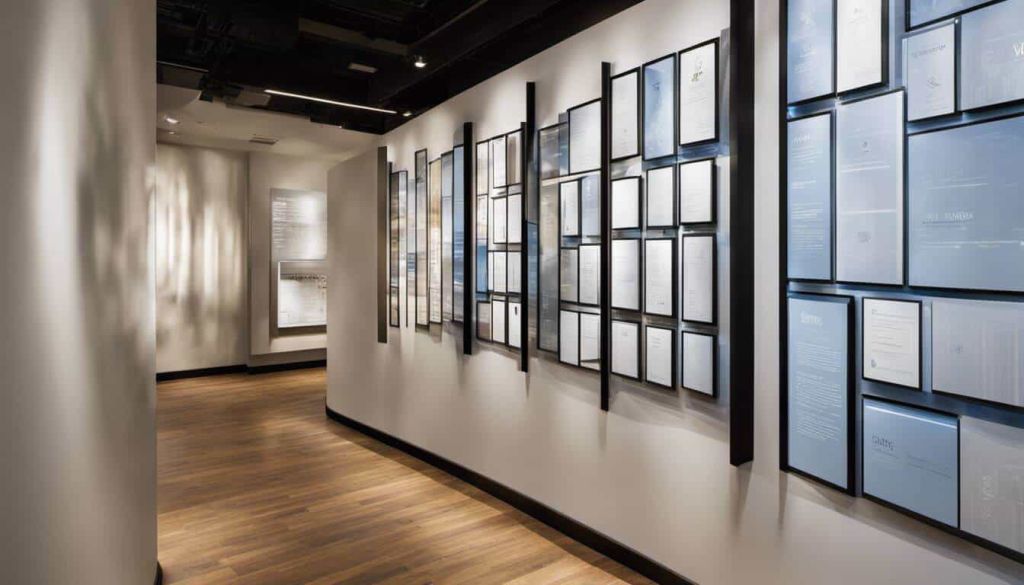
Acrylic displays provide a remarkable canvas for museums and galleries seeking to honor their donors in ways that go beyond the ordinary plaque on a wall. Their transparency and clarity create a visual depth that draws visitors’ eyes and invites them to linger, taking in both the tribute and the atmosphere it helps cultivate. This is not simply about listing names—it’s an opportunity to tell a story, to foster a sense of community pride and ongoing commitment.
One of the most effective aspects of acrylic is its versatility. RecognitionArt, for example, expertly crafts donor walls that integrate precision laser etching with options for LED edge lighting. This subtle illumination highlights each donor’s name while maintaining an elegant aesthetic that complements any gallery or museum decor. The lighting consumes minimal power yet dramatically enhances the visibility and perceived value of the recognition. Such thoughtful design choices turn these installations into centerpieces within exhibition spaces, subtly reinforcing the message of gratitude.
Customization isn’t just about appearance, either. Museums can tailor the scale and layout to fit specific environments, whether showcasing hundreds of contributors in a large lobby or highlighting a smaller group in an intimate gallery corner. Layers of clear and colored acrylic sheets can be combined to create three-dimensional effects, giving physical depth that parallels the emotional depth of generous support. Incorporating photographs or symbolic graphics directly etched alongside names personalizes the display further, connecting patrons emotionally with the mission they support.
For institutions considering how to evolve their donor recognition strategies, rotating exhibits offer dynamic engagement. By placing donor stories in illuminated acrylic frames on changing displays, museums encourage repeat visits and attract more donations. These displays can spotlight individual donors’ contributions alongside artifacts or artwork related to their passions or interests, creating a meaningful dialogue between donor legacies and museum collections.
Another practical advantage of acrylic lies in its durability and low maintenance; unlike traditional materials such as wood or glass, acrylic resists scratches, fading, and discoloration even with years of exposure under gallery lighting. This longevity means that once installed, these donor displays retain their brilliance without demanding frequent upkeep—a welcome feature for busy museum staff focused on other priorities.
Beyond technical merits, this approach resonates because it aligns with human nature: people want to know their efforts are seen and valued. Integrating recognition into exhibits elevates donor contributions into inspiring narratives that shape the entire atmosphere of museum spaces.
This evolving synergy between aesthetics and acknowledgment naturally leads us toward exploring how such thoughtful designs enhance not only gratitude but also visitor engagement through innovative technologies and artistic presentation techniques.
Visitor Experience: Aesthetic and Technological Enhancements
Acrylic displays transcend mere protective cases—they become an integral part of the storytelling and atmosphere within donor-funded exhibits. Their clean lines and clarity create a sense of openness that invites visitors to connect with artifacts on a deeper level.
This modern look is not just about beauty; it reduces distractions caused by reflections or glare, especially in galleries with varied lighting conditions. Opting for anti-reflective or matte finishes tailors each display to its environment, ensuring visitors experience the exhibit without struggling against visual noise.
The thickness of acrylic panels plays a subtle but vital role in enhancing depth perception. Thicker sheets lend a solid, framing effect around objects, drawing visitors’ eyes inward and creating an almost tactile sense of proximity to the artifact. Meanwhile, custom textures etched or applied onto surfaces add layers of sophistication that complement the artistic narrative without overwhelming it.
Beyond simply showcasing, acrylic displays are evolving into dynamic platforms where technology and heritage intersect.
Incorporating embedded LED lighting inside these displays offers more than illumination—it breathes life into artifacts by highlighting intricate details that might otherwise go unnoticed. This lighting can be tuned in color temperature and intensity to protect delicate items from heat damage while accentuating their unique features.
Clear acrylic panels also double as optical screens in immersive exhibitions where real-world objects coexist with digital content, bridging the physical and virtual worlds seamlessly.
Consider this: a 2023 survey conducted by the Museum Association found that 67% of museum-goers felt their visit was significantly enriched by enhanced lighting effects integrated into exhibit displays. This data underscores how well-designed acrylic displays contribute not only to preservation but also to visitor satisfaction and educational impact.
Ultimately, careful installation is key to unlocking these benefits—secure mounting prevents vibrations that could distract or damage artifacts, while modular designs allow curators to adapt layouts according to changing exhibits or donor priorities.
When aligned thoughtfully with both aesthetic intent and technological potential, acrylic displays become silent guides that elevate visitor immersion without overshadowing the treasures they hold.
“Acrylic cases don’t just show what’s inside; they shape how we see it.”
Their transformative power helps museums present donor-funded collections with prestige and engagement that resonate strongly in today’s competitive cultural landscape.
Achieving such harmony between protection and presentation demands precise setup and attention to detail. Next, we investigate strategies for installation that maximize the impact and longevity of these sophisticated displays.
Installation Tips for Maximizing Exhibit Potential
The foundation of any exceptional acrylic display begins not just with design but with meticulous installation. A properly installed display doesn’t simply hold donor names or artifacts—it becomes an integral part of the exhibit’s storytelling, enhancing clarity, accessibility, and longevity.
Before hanging or setting up your acrylic displays, the first crucial step is preparing the environment. This means thoroughly cleaning the wall or surface where the display will live, ensuring it’s free from dust, grease, or moisture that could compromise adhesion or cause unsightly trapped dirt between acrylic layers. Imagine installing a crystal-clear showcase onto a dusty surface; even the smallest particle can cast distracting shadows or create bubbles and blemishes that break the illusion of transparency.
Beyond preparation, professional installation is often the wisest choice for museum-grade environments. These experts know how to handle acrylic—a material prized for its beauty but sensitive to improper mounting techniques that might lead to cracks or warping over time.
Using the right anchors and screws (commonly #8 screws with toggle anchors for drywall) helps distribute weight safely. Some large acrylic panels can support up to 50 pounds but only if mounted correctly. For institutions balancing security and aesthetics, professionals can also incorporate spacing between panels and artifacts (usually 1 to 2 inches) to prevent condensation buildup and allow airflow, which safeguards both display and contents.
Another aspect often overlooked is lighting during installation. Positioning lighting at an optimal angle—usually between 30 and 45 degrees—reduces glare and reflections that might distort donor names or artwork details through the glass-like acrylic surface.
Non-glare or anti-reflective finishes further enhance this effect but depend heavily on precise placement relative to light sources and visitor sightlines. Installation experts bring this nuanced understanding to ensure viewers enjoy clear visibility without distraction.
Once installed, maintaining these stunning displays is surprisingly straightforward yet critical. Employing a regular maintenance schedule preserves their pristine condition and visitor appeal year-round:
| Task | Frequency |
| Dusting | Weekly |
| Cleaning Fingerprints | Bi-weekly or as needed |
| Inspecting for Damage | Monthly |
Using a damp microfiber cloth prevents scratches and maintains acrylic’s glossy sparkle much longer than conventional glass cleaning methods.
And it’s worth noting that abrasive cleaners easily damage acrylic’s surface—the concern isn’t just aesthetics but potential weakening of protective UV layers that keep donor text vivid over time.
By embracing these installation insights—from environmental prep through expert mounting to mindful upkeep—museums transform ordinary acrylic panels into captivating recognition displays that honor generosity while energizing visitor engagement.
Acrylic donor recognition displays offer an elegant blend of clarity, durability, and modern design, qualities that make them ideal for museums and galleries seeking to honor supporters in a meaningful way. By pairing thoughtful fabrication with professional installation, institutions can showcase donor names with long-lasting impact while complementing the stories told within their exhibits. Whether you’re planning a major donor wall or updating an existing recognition system, acrylic provides a versatile foundation that elevates both visitor experience and donor appreciation. Contact RecognitionArt or call us at 941-922-1272 today!