
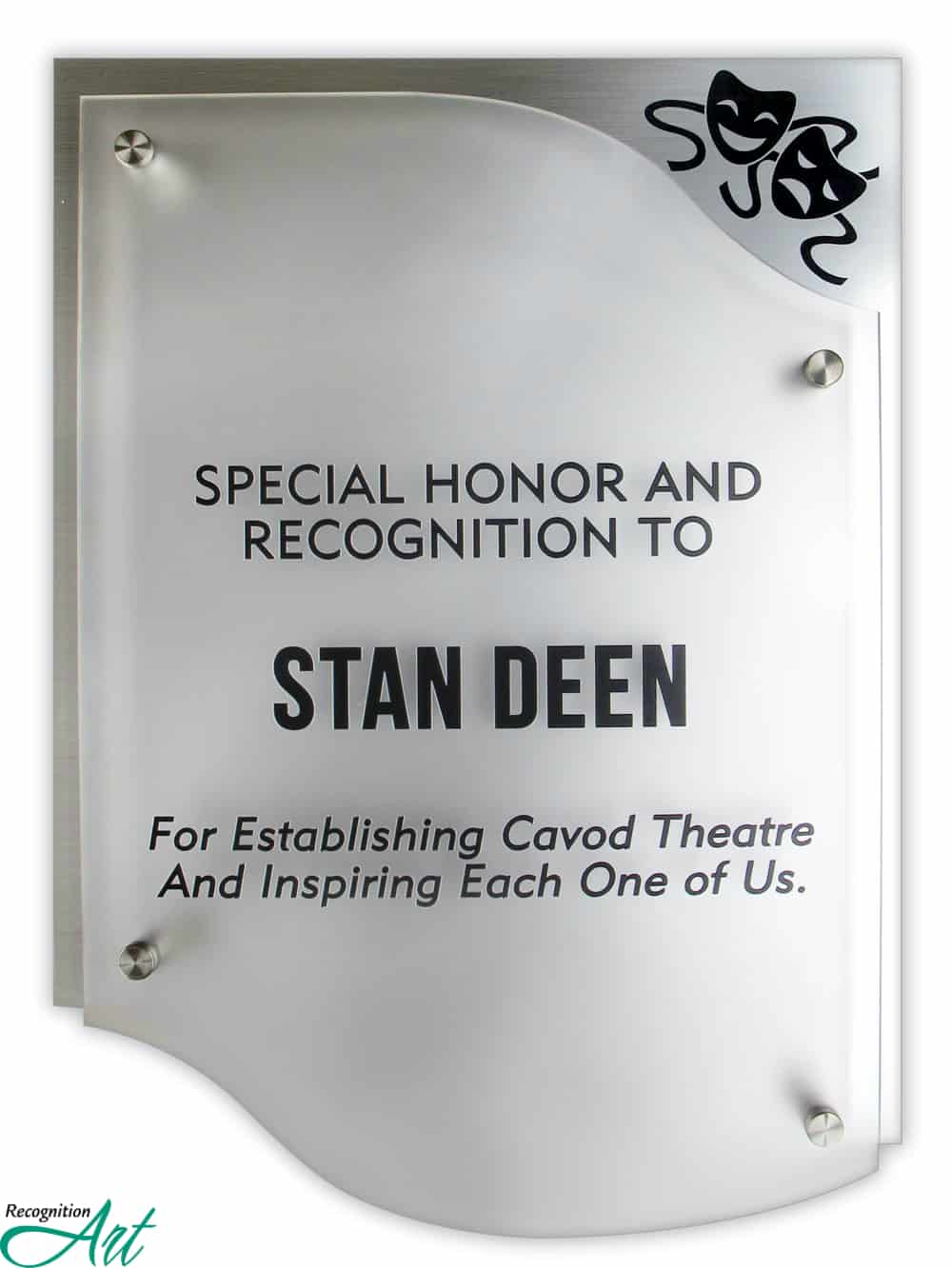
When it comes to fundraising, saying “thank you” isn’t enough; showing appreciation in a way that truly connects can make all the difference. One powerful tool nonprofits often overlook is the humble recognition plaque. These plaques aren’t just decorative signs; they’re meaningful symbols that acknowledge donors’ generosity and build lasting relationships. In this article, we’ll explore how designing the right plaques can actually help close major gift commitments by making supporters feel valued and inspired to give more.
Designing plaques that close major gift commitments involves creating personalized, visually compelling awards that convey sincere appreciation and reflect the donor’s impact. Incorporate high-quality materials like crystal, wood, or acrylic; tailor the design to align with your organization’s branding; and clearly differentiate donor levels through size or style to foster emotional connection and encourage continued generosity.
How Plaques Influence Major Gift Commitments
When a donor sees their name elegantly displayed on a plaque, it acts as a tangible confirmation that their contribution is truly valued. This recognition goes beyond simple gratitude; it’s an emotional bond that reassures donors they are active partners in the mission, not just occasional contributors. The psychology behind this is subtle but powerful: public acknowledgment taps into human desires for respect and legacy, making donors feel both appreciated and inspired to maintain or increase their support.
But it’s not just about plastering names everywhere; the design and placement of plaques communicate layers of meaning. Well-crafted plaques use materials ranging from rich wood to shimmering crystal, tailored to match an organization’s identity and donor tiers.
This craftsmanship sends a message that each gift is unique and cherished at its proper level. Moreover, strategically situating plaques in high-traffic, visually engaging locations invites broader community acknowledgment, encouraging social proof that further motivates giving.
The key lies in balancing aesthetics with emotional resonance. Custom plaque design allows nonprofits to subtly differentiate donation levels through size, scale, or artistic elements, an approach that honors each donor while sparking aspiration among others.
Textual content also matters; compelling stories or evocative wording can transform a simple nameplate into a lasting testament to impact, inspiring onlookers and potential donors alike to engage deeply with the cause.
Her words illustrate how plaques serve as motivational anchors that keep donors connected emotionally as well as financially.
From an organizational standpoint, investing between $500 and $2,000 for high-quality custom plaques often achieves a remarkable return on investment, with some reports estimating up to five times the amount raised in additional donations over time.
Beyond pure numbers, plaques contribute to building a culture of gratitude and commitment that sustains fundraising momentum long-term.
To maximize effectiveness, nonprofits should consider integrating plaques into broader recognition programs, such as naming opportunities for rooms or events, to provide multiple touchpoints where donors see their impact physically manifested. Including accessible features like Braille shows thoughtful inclusivity, extending appreciation to diverse supporters.
Ultimately, plaques function as enduring symbols of partnership between donor and organization. They reflect the shared vision fueling philanthropy while reinforcing trust that donations will be honored meaningfully.
Understanding how these physical tokens influence giving sets the stage for tailoring recognition even more precisely. The next conversation shifts focus to uncovering what truly drives your supporters’ generosity by exploring their personal preferences and motivations.
Knowing Your Donors’ Preferences
Designing recognition plaques that resonate goes far beyond simply picking a beautiful material or engraving a name. Each donor has unique tastes and expectations influenced by personal values, generational preferences, and the type of relationship they hold with the organization.
When you understand these nuances, your plaques become more than just objects, they transform into meaningful symbols that acknowledge generosity in a way that feels sincere and memorable.
One of the most effective ways to gain this understanding is through direct engagement, surveying and interviewing your donors. These conversations reveal not only design preferences but also emotional motivators behind their giving.
For instance, some donors might value traditional designs featuring classic materials like bronze or wood because they appreciate timelessness and gravitas. Others lean toward modern, sleek plaques embodying innovation and simplicity, which may align better with younger or tech-savvy supporters.
| Preference Type | Percentage of Donors |
| Traditional Designs | 40% |
| Modern and Sleek | 30% |
| Personalized Text | 20% |
| Unique Materials | 10% |
Use this data as a roadmap. If your donor base includes many from the 50+ age group, integrating classic fonts and materials may foster a deeper connection.
However, if younger donors make up a significant portion, consider minimalist designs or incorporating elements like UV printing on crystal to engage them meaningfully.
Beyond direct feedback, data analytics offer an invaluable layer of insight to fine-tune your plaque design strategy.
Examining donation history, event attendance, and previous responses to recognition initiatives helps uncover subtle patterns in donor behavior.
Perhaps some donors have consistently supported environmental causes within your organization; incorporating natural wood grains or earth-tone colors into their plaques could reflect those values. Similarly, assessing how donors reacted to prior recognition styles enables crafting plaques that fulfill aesthetic expectations while signaling thoughtfulness.
Ultimately, knowing your donors’ preferences is about respecting their identity and values through your plaque designs. The more personalized and thoughtful the presentation, the greater its ability to inspire continued generosity.
When plaques mirror what donors cherish, whether that’s tradition, innovation, storytelling, or artistry, the fundraising impact deepens considerably.
RecognitionArt’s diverse catalog supports this mission by offering everything from warm wood-acrylic combinations to striking art glass creations tailored to reflect these very preferences.
To maximize effectiveness, combine donor surveys with data-driven trends when choosing materials, styles, messages, and even plaque placement. This creates a powerful synergy between emotional resonance and strategic communication that can decisively close major gift commitments.
Understanding these nuanced preferences sets the stage for exploring how specific design choices can elevate recognition plaques into compelling instruments of donor engagement. Next, we turn attention to the critical visual and textual elements that make plaques not only attractive but also profoundly effective.

Key Design Elements for Effective Plaques
Designing a plaque that closes major gift commitments requires striking a delicate balance between visual impact and heartfelt messaging. At its core, the plaque should celebrate generosity while reflecting the organization’s unique identity.
One essential design element is personalization, engraving not just the donor’s name but also highlighting what their gift made possible, adds depth and meaning. For example, specifying the project or program funded connects the donor directly to the mission, making their contribution tangible rather than abstract. This nuanced approach transforms a simple piece of metal or glass into a narrative of partnership and gratitude.
Moving beyond personalization, the visual appeal plays a pivotal role in engaging viewers. Using elegant fonts that are easy to read from a distance ensures donor names stand out clearly; typically, an 18-point font size or larger is ideal for visibility at about three feet away. Contrast is equally important; the classic gold-on-black or silver-on-navy combinations remain popular because they convey prestige without sacrificing clarity.
Artistic borders and subtle embellishments can frame the text beautifully, but restraint is key; overly ornate designs risk distracting from the message itself. This tension between ornamentation and simplicity often sparks debate among fundraisers and designers alike.
Some advocate for elaborate plaques with intricate details to impress donors with craftsmanship and exclusivity. Yet others argue that clean, minimalist designs wield more enduring power because they emphasize sincerity over showiness. Experience shows that simplicity combined with thoughtful customization usually resonates best, allowing donors to feel genuinely recognized rather than overwhelmed by decoration.
Another critical factor is material choice; the feel and look of the plaque contribute significantly to perceived value. Bronze continues to dominate for its durability and timeless elegance, comprising approximately 60% of major gift plaques.
Glass or acrylic offers a modern, sleek option used in about 25% of installations, while wood provides warmth and tradition, favored in around 15%. Selecting materials aligned with your organization’s branding enriches the overall impression and helps differentiate giving levels by offering varying scales and finishes.
To reinforce brand identity further, including logos, seals, or even donor impact statements can elevate a plaque from mere signage into a compelling communication tool. Nearly 85% of major gift plaques incorporate institutional marks to strengthen association and foster pride among donors.
Likewise, touching quotes or short stories about how gifts tangibly benefit the mission create emotional connections that encourage ongoing giving.
| Element | Best Practice | Impact on Donor Recognition |
| Personalization | Include name + project | Deepens connection & meaning |
| Font Size & Style | Min 18 pt; elegant font | Enhances readability & prestige |
| Color Scheme | Gold/black or silver/navy | Balances visibility & elegance |
| Material | Bronze (60%), glass/acrylic (25%), wood (15%) | Conveys value & aligns branding |
| Logo/Seal Inclusion | Present on ~85% plaques | Reinforces organizational identity |
| Donor Impact Statements | Used on 40% plaques | Motivates continued philanthropy |
Thoughtful placement also matters: mounting plaques at eye level, between five and six feet from the floor, invites engagement without causing strain or disinterest.
Mastering these design details transforms your recognition program into an inspiring showcase that honors generosity while fueling future fundraising momentum.
This foundation paves the way for exploring how selecting specific materials and creative designs further enhances the power of donor recognition displays.
Choosing the Right Materials and Designs
Selecting the right material for a donor recognition plaque is far from a simple aesthetic decision, it is a strategic choice that impacts how donors feel valued and how your organization’s appreciation is communicated over time. The material not only shapes appearance but also longevity, tactile experience, and emotional resonance. When someone gives generously, they want to see their contribution honored in a way that feels lasting and meaningful. Hence, the material must reflect both dignity and durability.
Take bronze, for example. This heavy, warm metal has been used for centuries in monuments and awards because it ages gracefully, developing a patina that speaks to legacy. Bronze plaques weigh between 8 and 10 pounds per square foot and can last well over 50 years with minimal maintenance. Their raised lettering and custom engraving convey prestige that many donors associate with tradition and respect. From a fundraising perspective, this is an investment in permanence, a declaration that your organization values donors’ gifts as foundational pillars rather than passing gestures.
In contrast, glass offers elegant versatility. Whether crystal-clear or subtly tinted, glass plaques deliver modern sophistication with the potential for intricate UV printing that can embed logos, images, or donor stories directly on the surface. Glass can last 20 to 30 years when tempered properly but requires careful handling due to its fragility. Organizations aiming for a contemporary look often lean into glass plaques to create visual impact that feels both refined and heartfelt. This helps donors connect emotionally as they see their name literally part of something transparent yet substantial, symbolizing clarity of mission and generosity.
Wood presents another compelling option by bringing warmth and organic texture into donor recognition. Hardwoods like oak or cherry offer durability of 15 to 25 years with proper care and provide a tactile richness that acrylic or metal cannot match. Customized wood plaques can be carved or combined with acrylic or metal accents for contrast, creating personalized pieces that feel handcrafted and thoughtfully curated. Many nonprofits find wood especially effective for recognizing contributions where stories of growth or community roots align with natural materials, a subtle metaphor donors appreciate.
Acrylic plaques stand out for their flexibility in design, along with budget efficiency. They are lightweight (1 to 2 pounds per square foot), quick to produce (7–14 days lead times), and available in vibrant colors or transparent finishes, allowing creative freedom for branding. Although they typically have shorter lifespans (10–15 years) compared to other materials and can scratch more easily, acrylic plaques are perfect for honoring newer donors or tiered recognition programs where visibility and modern style matter.
Beyond just choosing the base material, customization plays an essential role in ensuring each plaque truly speaks to its recipient. Raised lettering has been shown to increase perceptions of prestige by 75% among donors, while engraving donor names or logos boosts satisfaction by over 80%, according to recent surveys. Incorporating color accents carefully balances visual appeal without overpowering the message, about 55% of viewers find plaques more memorable when tasteful color is used strategically.
When plaques are designed with these factors in mind, material strength matched with thoughtful details, they become more than signage; they shape an experience for donors: one where generosity is publicly dignified in a way that sparks pride and encourages continued support.
“A donor recognition plaque isn’t just a marker, it’s an invitation to a lifelong partnership.” , RecognitionArt Insight
Leveraging custom design services at RecognitionArt ensures your plaques harmonize seamlessly with your organization’s brand identity while reflecting differentiated donor levels through size variations and artistic craftsmanship. These design nuances make all the difference between a plaque seen once and one admired repeatedly, catalyzing deeper giving relationships long-term.
With materials chosen wisely and designs crafted thoughtfully, attention naturally turns to collaborating with experts who bring these visions to life through skilled artistry and technical precision.
Collaborating with Design Experts
Utilizing professional design services can transform a simple idea into a powerful symbol of gratitude that resonates deeply with donors. The value of working alongside experienced designers lies not just in artistic skill but in their understanding of fundraising dynamics. These experts bring more than just aesthetics; they craft plaques that communicate respect, honor, and connection, all vital for nurturing major gift commitments.
When engaging with design professionals, expect a thoughtful process involving several rounds of review and refinement. This iterative dialogue ensures every element, from typography to image placement, harmonizes with your organization’s identity and the donor’s story. For instance, subtle adjustments like font weight or spacing might seem minor, but they’re crucial for readability and emotional tone. Designers also advise on scale and size, keeping visibility optimal without overwhelming physical space.
Expertise in fundraising-focused recognition means these designers are attuned to the importance of differentiating donor levels through varied plaque sizes and materials. Their experience helps strike a balance between honoring significant contributions visibly while maintaining an elegant overall display. This tailored approach not only reflects donor values but also actively encourages continued generosity by reinforcing how deeply their support is cherished.
To maximize the benefits of collaboration, work with design teams that specialize in donor recognition plaques or have extensive fundraising insight. Such partnerships often result in creative solutions, like incorporating tactile elements for accessibility or UV printing techniques for vibrant, lasting images, that standard vendors might overlook. Early involvement of designers during campaign planning can even shape messaging strategies that integrate plaque recognition seamlessly into the broader fundraising narrative.
Many organizations report that investing in professional design elevates their donor walls from mere signage to meaningful storytelling platforms. Beyond attracting attention, thoughtfully crafted plaques invite reflection and inspire others to give. The combined effect tends to enhance donor retention rates and increase average gift sizes significantly, a testament to how artful recognition shapes philanthropic futures.
With expert-designed plaques creating enduring symbols of gratitude, the next crucial step is measuring how these tokens of appreciation actually impact your fundraising success and donor engagement over time.
Evaluating the Success of Recognition Plaques
Measuring the impact of recognition plaques goes far beyond simply installing them and hoping they inspire generosity. To truly understand their effectiveness, you need a clear picture of how these plaques influence donor behavior and emotional connection to your mission. Metrics like donor retention rates, direct feedback, and repeat donations offer concrete evidence that can guide your strategy.
For instance, if after introducing plaques you notice an uptick in donors returning or increasing their support, it’s a strong indicator the recognition is working on a deeper level. Conversely, stagnant or declining engagement suggests it may be time to rethink your approach.
Key metrics to monitor include not only quantitative measures such as increases or decreases in donations but also qualitative data collected through feedback channels. Surveys serve as invaluable tools; annual donor surveys can capture perceptions about the plaque’s visibility, design, and sentimental value.
When donors feel genuinely appreciated and see their contributions publicly honored with thoughtfully designed plaques, their motivation to stay involved often strengthens.
Implementing structured feedback loops shouldn’t be viewed as a one-off task but rather as an ongoing dialogue between your organization and its supporters. This dynamic exchange allows continuous refinement of your recognition efforts.
Tools like digital surveys sent by email or informal check-ins during events uncover nuances, what elements of the plaque touched donors emotionally, any improvements desired in wording or aesthetics, or even ideas for future recognition tiers. Such insight is priceless when tailoring plaques to align with both organizational culture and donor expectations.
With measurement and responsive adaptation established, it’s equally important to consider the long-term implications of these recognition tools.
Long-term Impact
The real power of recognition plaques emerges over months and years rather than days or weeks. Tracking donor activity before and after plaque installation reveals how emotional connections fostered by visible appreciation translate into ongoing support.
When donors see their commitment publicly celebrated alongside other passionate contributors, it creates a sense of belonging, a psychological anchor fostering loyalty over time. This sustained engagement often manifests as recurring gifts, larger contributions, or advocacy on behalf of the cause.
Establishing benchmarks for long-term success means charting trends in giving patterns relative to key moments of recognition rollout. Have gift commitments stabilized, grown steadily, or plateaued? Are newer donors inspired by plaques honoring previous contributors?
By weaving these data points together, fundraisers gain clarity about which design elements are most inspiring and which might need refreshing. The emotional weight carried by a plaque, its ability to convey honor, gratitude, and shared purpose, is what fuels lasting financial support.
Ultimately, setting up a regular rhythm of evaluating effectiveness transforms recognition plaques from static symbols into living instruments of relationship-building. Rather than viewing plaques simply as aesthetic fixtures, recognizing them as integral parts of your stewardship strategy positions your organization for ongoing fundraising success.
When thoughtfully designed, donor recognition plaques, donor recognition walls, and custom donor recognition displays become powerful fundraising tools that do more than acknowledge generosity, they inspire it. From acrylic display custom plaques and timeless bronze to premium Corian plaques integrated into architectural donor wall design, the right recognition solution reinforces donor pride, legacy, and long-term commitment. RecognitionArt specializes in creating custom donor recognition displays that align with your brand, honor every level of giving, and help close major gift commitments with impact. If you’re ready to elevate your donor recognition strategy and create displays that drive deeper engagement, contact RecognitionArt at 941-922-1272 today to start designing a donor recognition wall that truly reflects your mission and your supporters.