
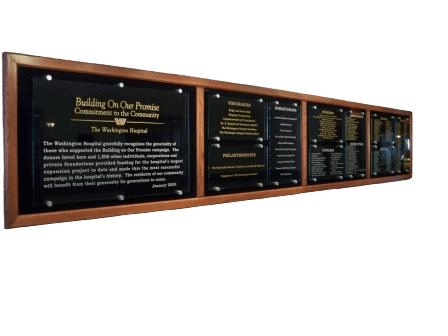
Donor walls might seem like just another way to list names, but they do much more, they create a lasting connection between your nonprofit and its supporters. When done thoughtfully, these walls don’t just honor past gifts; they encourage donors to keep giving, sometimes for years to come. This article will guide you through designing donor walls that tell powerful stories and inspire repeat legacy gifts, turning simple recognition into ongoing generosity.
Donor walls serve as a powerful recognition tool that publicly honors supporters, fostering a lasting emotional connection and inspiring continued giving, including repeat legacy gifts. By thoughtfully designing custom plaques or displays that express sincere gratitude and visually differentiate donor levels, nonprofits strengthen stewardship, build trust, and motivate donors to extend their commitment through planned and legacy contributions.
Designing Effective Donor Walls
When you look at the most powerful donor walls, what stands out isn’t just polished plaques or neat rows of names; it’s the story woven through the design. Donor walls should celebrate generosity in ways that make supporters feel truly seen and valued. This emotional connection is what transforms a static display into a dynamic testament to collective impact. Instead of merely listing donors, aim to create a narrative journey that conveys how each gift contributes to advancing the mission.
Storytelling can take many forms: integration of quotes from donors sharing why they give, compelling beneficiary testimonials, or even snapshots showing the tangible results of donations. A well-chosen story acts as a bridge between the donor and the cause, inviting visitors to become part of something bigger. According to research from the Nonprofit Technology Network, donor walls with embedded storytelling elements see up to 40% higher visitor engagement, illustrating how these narratives capture attention and inspire continued giving.
However, telling this evolving story means committing to regular updates, fresh stories, rotating testimonials, or new images help keep the wall alive and relevant. Stagnant content risks losing its power, making routine content refreshes an essential part of an effective donor recognition strategy.
With the narrative foundation settled, material choice becomes critical, not just for aesthetics but for longevity and symbolic significance.
Material selection for donor walls should balance durability with design elegance to reflect both the spirit of your nonprofit and the stature of your donors’ generosity. Wood, acrylic, metal, and stone each carry unique tactile qualities and visual weight that can elevate a display from mere signage to an artwork of appreciation.
RecognitionArt experts emphasize combining different materials not only enhances visual appeal but also provides subtle cues about giving tiers, such as using brushed metal for major donors versus warm wood for grassroots supporters, adding depth without overwhelming the message.
It’s equally important to avoid materials prone to fading or damage from everyday exposure, cheap plastics or untreated woods may undercut your credibility by aging poorly over time. Investing in quality materials signals respect towards both donors and visitors, and this perceived prestige can encourage repeat legacy gifts.
Once your wall is thoughtfully designed, with a compelling story told through carefully chosen materials, the final step lies in inspiring patrons not just to give once but to return again and again.
Strategies to Motivate Repeat Givers
Motivating donors to make repeat gifts requires more than just a one-time thank-you. It’s about creating ongoing relationships where donors feel seen, appreciated, and connected to your nonprofit’s mission. One of the most powerful ways to do this is through personalized recognition. When donors see their names, or better yet, stories and gratitude, displayed in a way that highlights their unique role, it transforms a simple act of giving into an emotional experience. This emotional connection fosters loyalty and encourages them to give again.
Research underscores this point clearly. A study by Blackbaud found that personalized recognition increases donor retention rates by 36%, a substantial lift that nonprofits cannot afford to ignore. RecognitionArt’s custom donor plaques and walls are designed precisely to tap into this effect, allowing organizations to create tiers like a “Lifetime Giver’s Club” or “Founders Circle.” Such dedicated spaces signal long-term appreciation and inspire others to aspire toward similar legacy involvement.
However, there’s an important nuance here. Not every donor seeks public acknowledgment; some want privacy and prefer their generosity to remain discreet. This is why offering flexible recognition options is vital. Providing donors the choice to opt out of public displays while still receiving personalized thanks, perhaps through private letters or exclusive online acknowledgments, respects their preferences without losing the opportunity for stewardship.
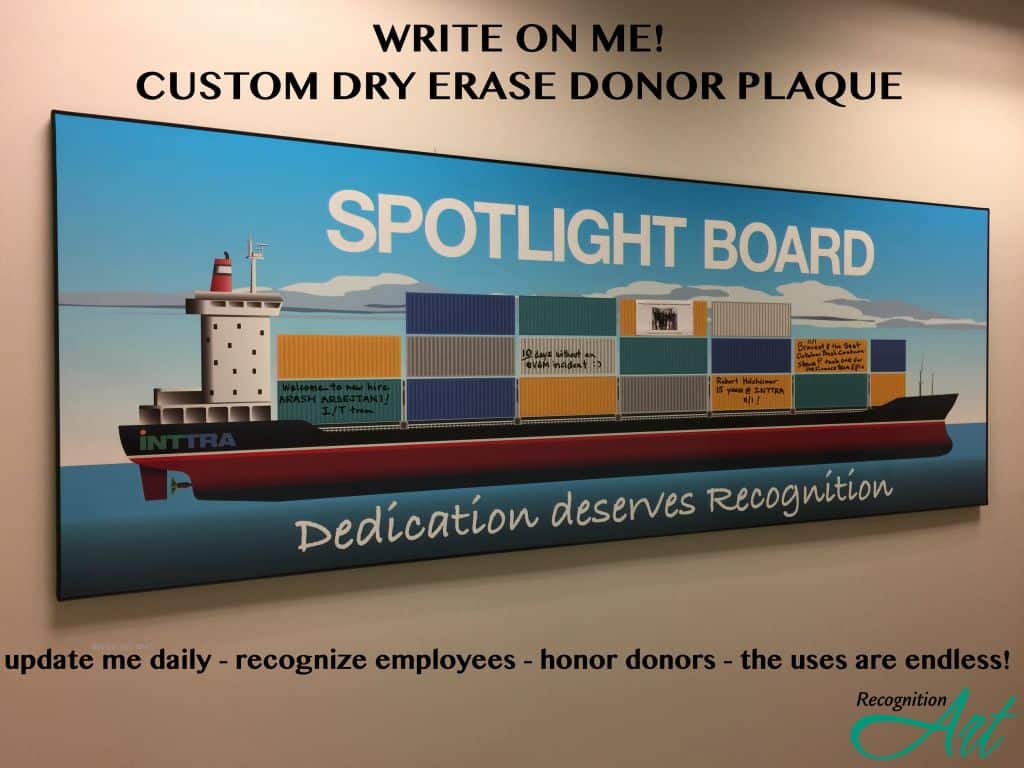
Another impactful strategy involves integrating digital engagement elements alongside traditional plaques. Dynamic digital displays can cycle through personalized thank-you videos, showcase impact stories linked to specific donors, or highlight recent campaigns where repeated gifts made a difference. These interactive approaches keep recognition fresh, memorable, and accessible even in high-traffic nonprofit spaces.
The power behind these strategies lies in addressing donors not merely as sources of funds but as valued partners in mission success. When nonprofits take care to show tailored appreciation and do so consistently, they reinforce donor confidence and boost the likelihood of repeat giving.
Here’s a quick overview highlighting key approaches and their benefits for encouraging repeat gifts:
| Strategy | Description | Benefit |
| Personalized Donor Walls | Custom plaques recognizing gift levels & longevity | Strengthens emotional connection, inspires loyalty |
| Opt-Out Recognition Options | Allows privacy-conscious donors to remain anonymous | Respects donor preferences, avoids alienation |
| Digital Interactive Displays | Videos, stories, real-time updates of donor impact | Keeps recognition engaging and up-to-date |
| Tiered Recognition Levels | Bronze, silver, gold or lifetime levels visually marked | Drives aspiration for higher-level giving |
Building strong recognition frameworks creates momentum for continuous support and deepens community trust. This naturally leads us to explore how carefully crafted campaigns can translate these relationships into lasting legacy gifts.
Crafting Legacy Gift Campaigns
Legacy gifts form a backbone of many nonprofits’ fundraising success, often accounting for a substantial share of total contributions. Because of their long-term nature and profound impact, creating campaigns that specifically focus on encouraging legacy giving is essential. The process begins with identifying who among your current donors holds the potential and passion to include your organization in their planned giving.
Start by carefully reviewing your donor records, looking for individuals with a history of sustained commitment or significant engagement. These are often people who attend events regularly, respond promptly to communications, or have expressed deep alignment with your mission over time. But don’t just rely on data alone, personal connection remains key. Reaching out via personalized letters, calls, or meetings allows you to foster genuine dialogue where you can gently introduce the concept of legacy giving.
When engaging these potential legacy donors, it’s important to weave conversations about the tangible benefits they receive, notably tax advantages, and the enduring impact they can leave behind. Drawing from actual interviews or testimonials of existing legacy donors grounds this dialogue in authenticity. It helps prospects see beyond abstract notions, understanding clearly how their thoughtful gift perpetuates change and honors their values.
For example, sharing stories about families who’ve felt pride and reassurance knowing their commitment will support your work for generations creates an emotional resonance that simply listing facts cannot.
However, identifying donors and clarifying value aren’t sufficient without ongoing, consistent communication.
Campaigns need repetitive but thoughtful promotion across multiple channels, ranging from email newsletters to social media posts and even updates on donor walls that link recognition directly to legacy gifts. Your messaging should remain aligned with your nonprofit’s mission while gently reminding supporters of the option and benefits of planned giving. This consistent presence not only nurtures awareness but eventually encourages action as legacy giving becomes a familiar part of your organizational culture.
- Use compelling language that communicates gratitude and vision, reinforcing how each gift builds toward a hopeful future.
- Incorporate visual aids such as donor walls highlighting legacy tiers or stories to make giving feel tangible and communal.
- Schedule regular “legacy spotlight” features, whether in print or digital formats, that provide fresh perspectives on why planned gifts matter.
- Balance calls-to-action with educational content so donors feel informed rather than pressured.
The integration of storytelling with strategic promotion lifts donor engagement from passive support into meaningful involvement. By illustrating both the immediate advantages and the lasting footprint of legacy gifts, organizations can build campaigns that not only secure funds but also deepen relationships rooted in trust and shared purpose.
RecognitionArt recommends harnessing donor recognition tools such as customized plaques or interactive donor walls that celebrate legacy gifts visibly within your space, making appreciation public and inspiring others simultaneously.
Establishing this foundation paves the way for expanding outreach efforts. Next, we explore ways to further connect and mobilize communities around your cause, ensuring broader participation and sustaining momentum for your nonprofit’s vision.
Engaging the Community
Getting your community involved in creating a donor wall transforms it from a static list into a living, breathing tribute to collective generosity. When people feel that their voices and ideas shape something meaningful, they develop a deeper emotional connection to the cause, and with RecognitionArt’s expert design consultation, that connection can be both heartfelt and beautifully expressed.
Inviting community input, whether through design contests, workshops, or open forums, turns donors into stakeholders. This sense of ownership doesn’t just encourage initial giving; it inspires donors to remain connected for years to come.
Involving the community early on also helps your nonprofit tailor the donor wall’s aesthetics and messaging to resonate authentically with supporters. Imagine a local school hosting design workshops where parents, teachers, and students suggest symbols, colors, or stories that reflect their shared mission.
This collaborative approach creates an atmosphere where recognition feels personal rather than generic, reinforcing why each gift matters. Plus, when those same community members see their ideas realized in materials like wood, glass, or metal plaques crafted by RecognitionArt, they walk away proud, not just as donors but as contributors to a visible legacy.
Tom, a longtime volunteer who helped oversee a neighborhood hospital’s donor wall project, shares that “involving the community in the design process made the entire experience more meaningful and energized everyone’s commitment.” His insight highlights how transparent collaboration builds trust and enthusiasm that extend beyond unveiling day.
But involvement shouldn’t end once plaques are installed. Sustaining this momentum requires dynamic engagement that transforms recognition into ongoing celebration.
Events and Activities
Hosting events around your donor wall serves multiple powerful purposes. Unveiling ceremonies draw attention not only to past gifts but also spotlight future fundraising goals, inviting attendees to see themselves as part of an evolving story.
These moments can forge emotional bonds where donors understand their role in making real-world impact tangible.
Consider annual donor appreciation days held right next to the display featuring fresh stories tied to recent projects funded through legacy gifts. Interactive touches such as digital plaques showcasing videos or testimonials engage visitors at deeper levels.
You might even incorporate live storytelling sessions or guided tours led by beneficiaries, helping guests connect names on the wall directly with transformed lives.
Creating continual opportunities for donors and supporters to gather cements the donor wall as a symbol of shared purpose, not just past achievement but active partnership.
This strategy encourages repeat gifts by fostering an inclusive culture where giving is seen as ongoing participation in community wellbeing rather than a one-time acknowledgement.
Finally, weaving your donor wall into broader communications, newsletters, social media spotlights, or virtual tours, extends its reach beyond physical walls. Platforms like RecognitionArt also provide customization options perfect for blending physical and digital recognition methods.
This multi-channel approach nurtures relationships over time while showcasing gratitude vividly and creatively.
With this foundation of engagement and dynamic recognition established, we now explore creative ways to further amplify donor appreciation through inventive concepts that inspire continued generosity.
Innovative Recognition Ideas
Innovation in donor recognition doesn’t just catch the eye, it creates lasting impressions that resonate emotionally with your supporters. Turning away from the typical plaques and framed certificates, nonprofits today have a rich palette of creative strategies to make donors feel truly valued and connected to the cause.
Digital Recognition
One of the most compelling shifts in donor recognition comes through digital technology. Interactive touchscreens embedded within or near donor walls invite visitors to explore dynamic stories behind each gift. Imagine a visitor tapping a name to watch a short video highlighting how that donor’s contribution changed lives or expanded programs. These profiles offer more than just a static name; they celebrate impact, personality, and connection.
Because digital content is easily updated, you can instantly acknowledge new donors or increased giving levels without costly renovations or delays.
This immediacy also extends beyond installation, linked websites or apps connected to physical recognition spaces make it possible to reach broader audiences who may never visit in person but wish to engage deeply with your mission. The key benefit here is personalized acknowledgment on a scale, each donor feels recognized as an individual, not just a line item on a wall.
Leveraging technology provides flexibility, but pairing it with artistic warmth can enhance emotional ties even further.
Artistic Installations
Collaborative art projects serve as meaningful symbols that unite donors and reflect organizational identity. By commissioning local artists for unique installations, such as a mosaic mural built from varying tile sizes corresponding to donation tiers, you craft something visually stunning and layered with significance. This approach turns recognition into an experience: donors see their names physically woven into the fabric of your nonprofit’s vision.
However, it’s crucial that these artistic choices align closely with your brand values and aesthetic tone. Art that resonates ensures donors feel pride and ownership rather than detachment.
For example, if your mission focuses on environmental conservation, natural materials and earthy designs might be fitting, whereas bold colors and geometric forms could suit an arts education charity.
When selecting commissioned art, involve donors in the process, through surveys or preview events, to foster anticipation and ensure collective appreciation.
Both digital innovations and artistic installations require thoughtful planning but yield powerful rewards. They transform the act of recognition from mere formality into engaging storytelling that honors generosity while captivating future supporters.
With compelling recognition ideas established, attention naturally turns toward structuring efforts to mobilize support effectively through well-designed campaigns.
Planning a Successful Campaign
Planning is truly the backbone of any effective donor wall initiative. Without clear direction, even the most beautifully designed donor wall risks falling short of its potential impact. It starts with setting clear, practical goals, these act like the compass for your entire campaign. When you define what exactly you want to achieve, whether that’s reaching a specified fundraising target or securing a certain number of legacy gifts, you create a roadmap everyone can follow.
Using SMART goals (Specific, Measurable, Achievable, Relevant, Time-bound) brings focus and helps prevent wandering efforts. For example, instead of aiming vaguely to “raise more funds,” aim for something like “increase legacy gifts by 25% within 12 months.” This not only energizes your team but also makes tracking progress straightforward.
Once your goals are pinned down, the work shifts toward scheduling your campaign meticulously. A detailed timeline is essential, it helps convert abstract plans into actionable steps. Assign responsibilities clearly so everyone knows their role and deadlines keep things moving without delay or confusion.
Consider a timeline broken into phases: start with goal-setting and concept development, move into design approvals, launch fundraising activities, and finish strong with event planning for unveiling the donor wall. Organizing your efforts this way transforms the campaign from an overwhelming task into a series of manageable milestones.
| Phase | Task Description | Responsible Party | Deadline |
| Planning | Set campaign goals | Campaign Manager | Month 1 |
| Design | Finalize donor wall design | Design Team | Month 3 |
| Fundraising | Launch fundraising efforts | Fundraising Team | Month 4 |
| Recognition | Plan unveiling event | Event Coordinator | Month 6 |
The campaign doesn’t run on set-it-and-forget-it principles. Continuous monitoring is key to keeping everything on track and responsive to changing circumstances. Today’s CRM tools are incredibly powerful allies for this purpose; they enable you to track every donation in real-time and maintain meaningful communication with donors at each stage.
Keeping your stakeholders updated regularly not only sustains enthusiasm but also invites valuable feedback and strategic adjustments when needed. Monitoring metrics like donor engagement rates and gift sizes helps evaluate which approaches are working best and which need refinement.
By embedding these disciplined practices into your donor wall campaign, from defined goals to rigorous oversight, your nonprofit sets itself up not just to meet immediate fundraising needs but to build a lasting culture of generosity and legacy giving.A thoughtfully designed donor recognition wall does more than display names, it reinforces stewardship, builds trust, and encourages long-term giving. With expert donor wall design, premium materials like acrylic display custom plaques and Corian plaques, and fully customized donor recognition displays, nonprofits can create meaningful recognition that inspires repeat and legacy gifts. If you’re planning a new donor recognition wall or upgrading existing donor recognition plaques, RecognitionArt can help bring your vision to life. Contact our team today to start designing a custom donor wall that honors generosity and supports sustainable fundraising growth.